
5 Reasons Milk Thistle Isn't Lowering Your Liver Enzymes (And What Actually Does)
The supplement industry has been selling you the wrong solution for decades.


You've been taking it religiously. Twice a day, every day, just like the bottle says. Just like your doctor said. Just like every liver forum on the internet says.
And your next labs come back worse.
If that sounds familiar, you're not imagining it. And you're not failing. Milk thistle isn't failing you because you're taking it wrong. It's failing you because it was never designed to fix what's actually wrong.
Here's why.
Reason #1: Milk Thistle Only Protects Liver Cells. It Doesn't Help Cells That Are Already Damaged.

This is the one nobody tells you.
Silymarin — the active compound in milk thistle — works as a cellular shield. It wraps around liver cells and protects them from incoming toxins. That sounds useful until you realize that protection only applies to future damage.
The fat that's already trapped in your liver tissue? The inflammatory proteins that have already built up? The scar tissue that's already forming? Milk thistle doesn't touch any of it.
That's why people take milk thistle for months and watch their ALT keep climbing. They're protecting cells in a system that's already backed up with damage it can't clear.
Reason #2: It Does Nothing For The Bloating, Fatigue, Or Brain Fog

If milk thistle was actually addressing the root problem, you'd feel it.
The bloating would ease. The exhaustion that hits you at 2pm every single day would start to lift. The brain fog that makes you feel like you're thinking through wet concrete would start to clear.
But it doesn't. Because those symptoms aren't caused by unprotected liver cells. They're caused by a backup of inflammatory waste, trapped fat, and toxic buildup that has nowhere to go.
Your body is drowning in its own waste. And milk thistle doesn't help what's already been damaged.
Reason #3: Milk Thistle Addresses What Goes Into The Liver. Not What Comes Out.

Here's what the supplement industry doesn't want you to understand.
Your liver produces approximately half of all the lymphatic fluid in your entire body. Inside your liver tissue, there's an entire network of tiny drainage vessels whose only job is to flush toxins, dead cells, trapped fat, and inflammatory waste out of your liver cells and out of your body.
When that drainage system is working, your liver processes damage and regenerates. Enzymes stay low. Fat doesn't accumulate.
When that drainage system gets congested — after years of processed food, environmental toxins, and metabolic stress — the waste has nowhere to go. It accumulates in the tissue. Fat gets trapped. Inflammatory proteins build up. Scar tissue starts forming.
Every liver supplement on the market, including milk thistle, focuses entirely on what goes into the liver. Not one of them addresses what comes out.
Reason #4: Your Doctor Doesn't Know This Either — And Here's Why

This isn't about finding a better doctor.
The hepatic lymphatic system is in the research literature. Your liver producing half the body's lymph fluid is established science. Hepatic lymphatic congestion as a driver of fatty liver and fibrosis progression has been documented in peer-reviewed hepatology journals.
But unless you're in end-stage decompensated cirrhosis with fluid literally filling your abdomen, mainstream medicine doesn't address lymphatic function. At all.
Because there's no drug for it. And without a drug, there's no prescription. Without a prescription, there's no visit. Without a visit, there's no revenue.
Instead you get metformin at $80 a month. Statins at $150 a month. Specialist visits at $400 every six months watching your numbers climb while they tell you to try a Mediterranean diet.
Reason #5: The Ingredients That Actually Support Your Liver Target A Completely Different Mechanism

Once you understand that the real problem is lymphatic congestion — not unprotected liver cells — the solution becomes obvious.
You need compounds that restore hepatic lymphatic drainage. And four of them kept appearing in the research again and again:
-
 Stillingia Root Breaks down the thick, stagnant lymph fluid that accumulates around liver tissue, opening severely congested drainage pathways so waste can finally start moving.
 -
 Cleavers Called "the lymphatic tonic herb" in the British Herbal Pharmacopoeia for a reason. It mobilizes the trapped inflammatory proteins and metabolic waste that accumulate when hepatic drainage fails, allowing them to exit the system instead of hardening into scar tissue.
 -
 Red Clover Blossom Restores micro-circulation within congested liver tissue. When your drainage vessels are blocked, the surrounding capillary network goes sluggish too. Red clover gets that micro-level fluid movement working again so the drainage system actually has somewhere to flow.
 -
 Prickly Ash Bark The activator. A powerful circulatory stimulant that doesn't just move blood — it jumpstarts lymphatic flow, waking up the drainage pump that's been sitting dormant while toxins accumulated.
Together, they don't protect the liver from future damage like milk thistle does. They clear the damage that's already there.
Stillingia opens the pathways. Cleavers mobilizes the waste. Red Clover restores the circulation. Prickly Ash activates the entire system.
So What Now?
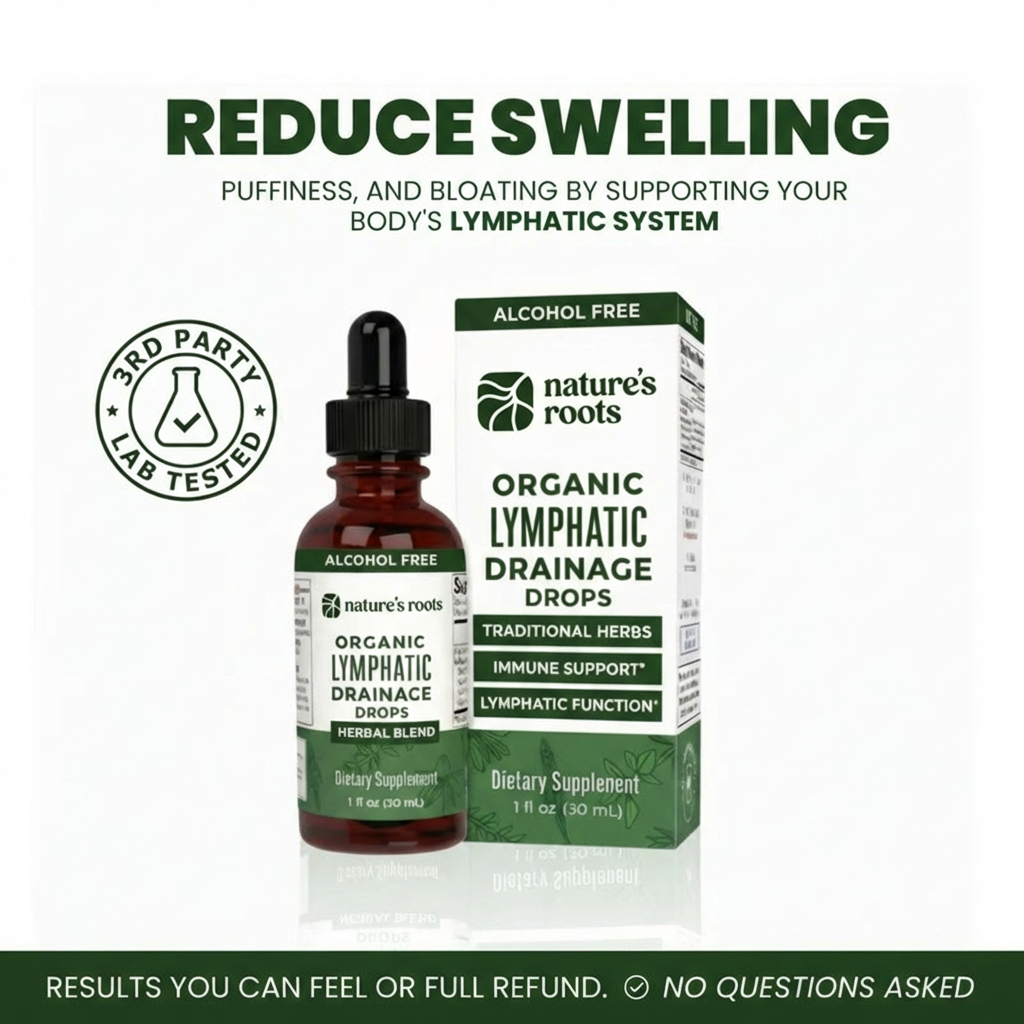
If your enzymes keep climbing despite doing everything right, this is the missing piece. Nature's Roots put all four of these compounds together at clinical doses in one formula — for a fraction of what it costs to source them separately.
Check AvailabilityWhat Customers Are Saying
"My ALT was at 78 for two years. Three months in, it's down to 34. My doctor is stunned. I'm not."
"The afternoon fatigue I'd had for years is gone. I didn't expect that. I just wanted better labs."
"Tried milk thistle for 18 months. Switched to this. My GGT dropped 40 points in 8 weeks."
Frequently Asked Questions
Your Liver Was Designed To Heal Itself. It Just Needs To Drain First.
Not another round of milk thistle. Not another detox tea. The four-compound hepatic drainage protocol — at clinical doses — risk-free for 90 days.
Check Availability →